Who pays for bulky waste in Pimlico flats?
Posted on 15/05/2026
If you live in a Pimlico flat, share a hallway with neighbours, or manage a small block, bulky waste can turn into one of those awkward little jobs that nobody wants to own. A mattress left by the bin, an old sofa squeezed into a lift, or a broken wardrobe waiting in the communal corridor - it all looks simple until someone asks the question: who pays for bulky waste in Pimlico flats?
The short answer is: it depends on who created the waste, who controls the item, and what the lease or building rules say. In practice, the bill may fall to a tenant, a landlord, a managing agent, a freeholder, or the residents of a block through service charges. Sometimes it is shared. Sometimes it is quite clearly one person's responsibility. And sometimes, truth be told, it becomes a grey area because everyone assumes someone else will sort it.
This guide breaks it down in plain English. You will see how responsibility is usually decided in flats, how costs are commonly handled, what to check before you book anything, and how to avoid the kind of messy misunderstandings that lead to complaints in the foyer at 8am. If you want a broader overview of local services while you read, the services overview is a useful starting point, and the page on pricing and quotes helps set expectations before you make a decision.
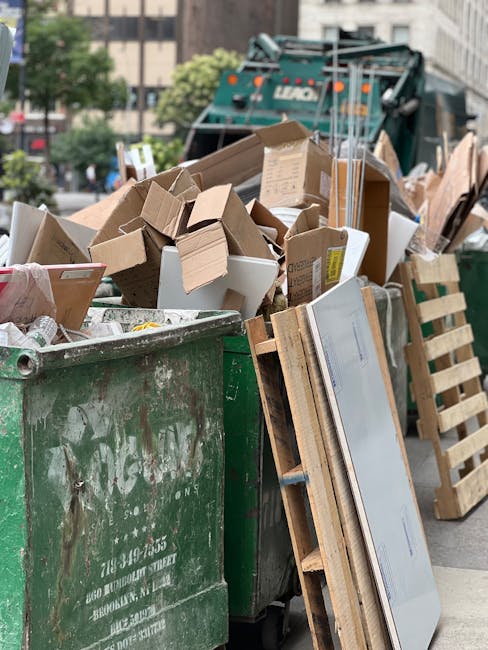
Why who pays for bulky waste in Pimlico flats matters
Bulky waste sounds minor until it is sitting in a shared stairwell or blocking access to a bin store. Then it becomes a practical problem, a neighbour-relations problem, and sometimes a safety problem all at once. In a dense area like Pimlico, where flats are often in converted terraces, mansion blocks, or managed apartments, one badly placed item can affect more than one household.
The payment question matters because if you get it wrong, you can end up with delays, disputes, or even additional charges. A tenant may assume the landlord will cover removal. A landlord may think the departing tenant should pay. A managing agent may schedule removal and put the cost through the service charge. None of that is unusual. What matters is clarity.
It also matters because bulky items are not always easy to shift using standard household arrangements. A wardrobe, bed base, fridge, or broken sofa often needs two people, safe lifting, and the right vehicle. In a flat, add stairs, narrow hallways, parking limits, and lift restrictions. Suddenly the job is bigger than it looked from the kitchen window.
For readers comparing local living and property arrangements, it can help to see Pimlico in context. Articles like why Pimlico is a good place to call home and how to buy property in Pimlico show how varied the housing stock is, which is exactly why bulky waste responsibility can differ from one building to the next.
How who pays for bulky waste in Pimlico flats works
The basic rule is straightforward: the person or party responsible for the item usually pays for its removal. But in flats, that rule is filtered through tenancies, leases, block management, and shared spaces. So the real answer depends on the situation.
Here is the practical breakdown most people need:
- Tenants usually pay if the item is theirs and the tenancy agreement places waste disposal on them.
- Landlords often pay for items left behind between lets, or for clearance connected to refurbishment, void periods, or property turnover.
- Managing agents or freeholders may arrange and pay for removal where the bulky waste is in a communal area or affects block operations.
- Service charge payers may indirectly fund the cost if the building's rules allow communal clearance costs to be recovered through service charges.
- Occupiers who caused the waste may be asked to cover the cost if they dumped items in shared spaces or ignored building instructions.
In many Pimlico flats, the key issue is not just ownership of the item, but where it was left. A sofa left inside a private flat is one thing. The same sofa left on a landing is another. Once it enters a communal area, building rules and management responsibilities become much more important.
One very common scenario: a tenant moves out on a Friday, leaves an old mattress in the corridor "just for the morning", and by Monday everyone is annoyed. The cost of removal might then be charged to that tenant, or deducted from a deposit if the tenancy terms allow it. Not glamorous, but very real.
For a broader look at disposal options available locally, the dedicated waste collection in Pimlico page is useful, especially if you are trying to understand what can be handled quickly versus what needs special handling.
Key benefits and practical advantages
Getting the payment side right is not just about avoiding arguments. It creates a cleaner, safer, and more predictable way to manage a flat or building. That sounds obvious, but the value is easy to underestimate until the job goes wrong.
- Fewer disputes: If responsibility is clear, there is less back-and-forth between tenants, landlords, and agents.
- Better building appearance: Items are removed before they become an eyesore or a fire safety issue.
- Safer common areas: Clear corridors and stairwells reduce trip hazards and obstruction.
- Cleaner budgeting: The right party pays, so no one is surprised later by an unexpected charge.
- Faster turnaround: Move-outs, refurbishments, and tenant changes happen more smoothly.
There is also a quieter benefit: better neighbour relations. A block feels different when people know the rules and follow them. Little things matter. A tidy landing, a lift that is not abused, a bin store that does not smell on a warm afternoon. You notice the difference immediately.
If bulky waste is part of a bigger clear-out, services such as house clearance in Pimlico or furniture disposal in Pimlico can be more practical than trying to manage each item separately.
Who this is for and when it makes sense
This topic matters to a few different people, and each group tends to approach it from a slightly different angle.
Tenants in flats
If you are renting, your first step is usually to check your tenancy agreement. Some agreements make tenants responsible for removing personal furniture and rubbish at the end of the tenancy. Others specify that the property must be left "clean and clear", which is not always the same thing as "dump everything at the curb".
Landlords and letting agents
If you manage a flat, your main concern is often turnaround and condition. Left-behind bulky items can delay re-letting and create complaints from neighbours or the building manager. In some cases, a landlord chooses to pay quickly simply to avoid weeks of friction. To be fair, that can be the cheapest option overall.
Freeholders and block managers
Shared buildings need consistency. If rubbish appears in communal areas, you need to know whether it falls under estate management, service charges, or an individual occupier's responsibility. This is where a good paper trail saves a lot of time later.
Flat owners doing renovations
When you are replacing carpets, wardrobes, old beds, or flat-pack furniture that never quite survived the move-in, it is usually your decision and your bill. For refurbishment-related waste, the page on builders waste disposal in Pimlico is particularly relevant if the job includes heavier debris alongside household items.
Sometimes the answer is obvious. Sometimes it isn't. That is why a quick check before the waste is moved saves more time than most people expect.
Step-by-step guidance
If you are trying to work out who should pay, here is a sensible way to approach it.
- Identify the item. Is it personal furniture, landlord property, communal equipment, or leftover rubbish from works?
- Check where it is located. Inside the flat, in the hallway, by the bin store, or outside the block?
- Review the tenancy, lease, or building rules. Look for wording about waste, move-out condition, service charges, or common parts.
- Ask who requested the removal. The person ordering the service often ends up being the person paying. Simple, but true.
- Confirm whether the cost can be shared. In some buildings, communal clearance is spread across residents via service charges or block budgets.
- Choose the right disposal route. Small jobs, full clearances, furniture removal, or mixed bulky waste may need different handling.
- Keep a record. Photos, messages, invoices, and instructions help if there is disagreement later.
A practical example: if a sofa is left behind after a tenant move-out, the landlord may book removal to protect the property and meet the next check-in deadline. That cost may then be recovered from the tenant if the tenancy terms support it. If the sofa was dumped in a shared hallway by an unknown person, the managing agent may need to deal with it as a block issue. Same item. Very different responsibility.
And yes, people do sometimes point at an old chair and say, "It was there when I arrived." In shared buildings, that line is older than the lift motor hum. The paperwork decides the rest.
Expert tips for better results
After dealing with enough flat clearances and bulky item removals, a few patterns become obvious. The following tips help avoid the usual headaches.
1. Decide ownership before you move the item
Once a bulky item is in the corridor, the conversation changes. Identify who owns it and who approved removal before anyone starts lifting.
2. Photograph the item and its location
That sounds minor, but it can settle arguments quickly. A photo of the item in a shared area gives context, especially if several flats are involved.
3. Be clear about access
In Pimlico, access matters. Narrow entrances, parking restrictions, lift bookings, and stair access can all affect cost. A van can be waiting outside and still lose time if the wrong route was assumed.
4. Match the service to the waste
A single mattress is not the same as a full flat clearance. A handful of chairs is not the same as mixed renovation waste. Using the right service keeps costs sensible and avoids unnecessary trips.
5. Keep communal areas clear first
If you live in a block, the smartest move is often to clear access before anything else. That avoids complaints and reduces the chance of item damage while it is being moved.
For readers interested in environmental handling and sensible disposal, the page on recycling and sustainability is worth a look. Even a basic understanding of what can be reused, separated, or responsibly processed helps make better decisions.

Common mistakes to avoid
The same mistakes come up again and again. Most are avoidable, which is good news, because bulky waste is already annoying enough without creating a second problem.
- Assuming the landlord always pays: Not true. It depends on the agreement and the reason for removal.
- Leaving items in communal spaces "temporarily": That usually creates more cost, not less.
- Forgetting to check building rules: Some blocks have specific procedures for waste collection and lift use.
- Mixing bulky waste with general rubbish: This can make sorting harder and may affect pricing.
- Not comparing options: A single-item removal, a shared collection, and a full clearance are not interchangeable.
- Missing evidence for disputes: If there is a deposit issue or a service-charge query, documentation matters.
One small but expensive mistake is ordering removal without checking if the building has access restrictions. In some cases, that turns a straightforward job into a waiting game. Nobody wants to pay extra because the lift booking was overlooked. Honestly, it happens more than people admit.
Tools, resources and recommendations
You do not need specialist software to manage bulky waste in flats, but a few simple tools make the process easier.
- Tenancy agreement or lease: The most important document for identifying responsibility.
- Building management notes: Helpful for communal rules, access windows, and service-charge handling.
- Photo records: Useful for proving condition, location, and timing.
- Item list: Write down what is being removed so nothing gets missed.
- Clear quote information: Good pricing depends on a clear description of the waste and access conditions.
If you want to understand how a local provider frames service scope and customer care, the about us page gives a sense of the business approach, while insurance and safety is reassuring if you are worried about handling, lifting, or access in a shared property.
For live operational pages, the best next steps are usually the waste collection service and the pricing and quotes page. If you are dealing with a full flat tidy-out rather than just one item, those pages will tell you more quickly whether the job is suitable.
Law, compliance, standards and best practice
Bulky waste in flats is not just a convenience issue. There are also practical compliance expectations around safe storage, communal access, and responsible disposal. Without drifting into legal advice territory, a few standards are worth keeping in mind.
First, do not block fire exits, landings, or shared access routes. In a flat building, even a single item can create a hazard if it interferes with escape or day-to-day movement.
Second, make sure the waste is collected and handled by a suitable service. If a third party removes items, they should do so in a way that is appropriate for the material and the access conditions.
Third, keep clear records of who requested the work and who agreed to pay. That is especially useful where service charges, deposits, or landlord deductions are involved.
Fourth, check the building's own rules. Many blocks have quiet, practical expectations about booking lifts, using back entrances, or avoiding hallway clutter. These are not glamorous documents, but they matter a lot.
Responsible disposal also includes how items are sorted. If some can be reused or recycled, that should be considered where feasible. For customers who want to align disposal with better environmental habits, recycling and sustainability is a helpful companion page.
In flat living, the best waste plan is usually the one everyone understands before the sofa is halfway down the stairs.
Options, methods, or comparison table
There is no single best route for every property. The right option depends on the size of the job, who is paying, and how quickly it needs to happen. Here is a simple comparison that helps narrow it down.
| Option | Best for | Who usually pays | Main advantage | Watch out for |
|---|---|---|---|---|
| Tenant-arranged bulky waste removal | Personal items from a rented flat | Tenant | Fast and direct | Check tenancy terms and access |
| Landlord-arranged clearance | End-of-tenancy leftovers or voids | Landlord, sometimes recovered later | Speeds up re-letting | Keep proof for deductions or budgeting |
| Managing agent / block clearance | Communal items or repeated fly-tipping issues | Service charge or building budget | Consistent across the block | Needs clear authorisation |
| Full house or flat clearance | Large volume, mixed contents, move-outs | Usually the person commissioning it | Most efficient for big jobs | May be overkill for a single item |
| Furniture-only removal | Mattresses, sofas, wardrobes, tables | Usually the owner or occupier | Focused and practical | Measure access and item size first |
For many Pimlico flats, furniture-only removal is the sweet spot. It is often enough for one or two large pieces without paying for a full clearance service. But if you are clearing a whole property after a move, renovation, or tenancy change, a broader approach is usually more efficient.
Case study or real-world example
Here is a realistic example based on the sort of situation that comes up often in shared flats.
A tenant moves out of a second-floor Pimlico flat on a wet Thursday evening. The flat has one old sofa, a broken desk, and a mattress that will not fit down the stairs easily unless it is handled properly. The letting agent notices the items still inside after check-out. The tenancy agreement says the property must be left free of personal belongings and rubbish.
The question is not whether the items need removing. They do. The real question is who pays.
In this case, the tenant likely bears responsibility because the items belong to them and the agreement placed removal duties on the outgoing occupier. The landlord or agent might still arrange the removal to avoid delay, but then recover the cost from the tenant if the tenancy terms support that and the evidence is clear.
Now imagine a slightly different version. The same items are left in a communal hallway by an unknown person, and the building manager receives complaints about access being blocked. The block may need to treat it as a shared management issue while investigating who placed it there. Different facts, different outcome.
That is the bit many people miss. Flat waste is rarely just about the object. It is about responsibility, access, timing, and the rights attached to the property. A small detail can change who pays.
For readers curious about local property ownership and investment context, the article on expert tips on Pimlico property investments is a useful companion read, because investor-owned flats often face exactly these clearance and turnover questions.
Practical checklist
Use this checklist before you arrange or agree to any bulky waste removal in a Pimlico flat.
- Confirm who owns the item.
- Check whether it is inside a flat or in a communal area.
- Review the tenancy, lease, or building rules.
- Agree who is paying before booking.
- Take photos of the waste and its location.
- List every item to be removed.
- Check access, parking, and lift restrictions.
- Decide whether you need single-item removal, furniture disposal, or full clearance.
- Keep the invoice and any approval messages.
- Make sure shared spaces stay clear until collection.
If you are dealing with a one-off pickup on a specific street or block, local pages such as rubbish collection for St George's Drive and quick rubbish pickups around Lupus Street and Bessborough Street can help show how localised the service can be in practice.
Conclusion
So, who pays for bulky waste in Pimlico flats? Usually the person who owns the item, caused the issue, or agreed to the removal. But in shared buildings, the answer can shift depending on the lease, tenancy, service-charge rules, and whether the waste is in a private flat or a communal space.
The safest approach is simple: check the paperwork, agree responsibility early, keep clear records, and choose the right service for the job. That way, you avoid awkward disputes, reduce delays, and keep the building tidy. Small thing, big difference.
And if you are dealing with a bulky item right now, do not let it sit there becoming part of the furniture. Sort the responsibility first, then the removal. It is usually easier than it feels at 9pm with a hallway full of cardboard and a neighbour knocking next door.
Get a free quote today and see how much you can save.
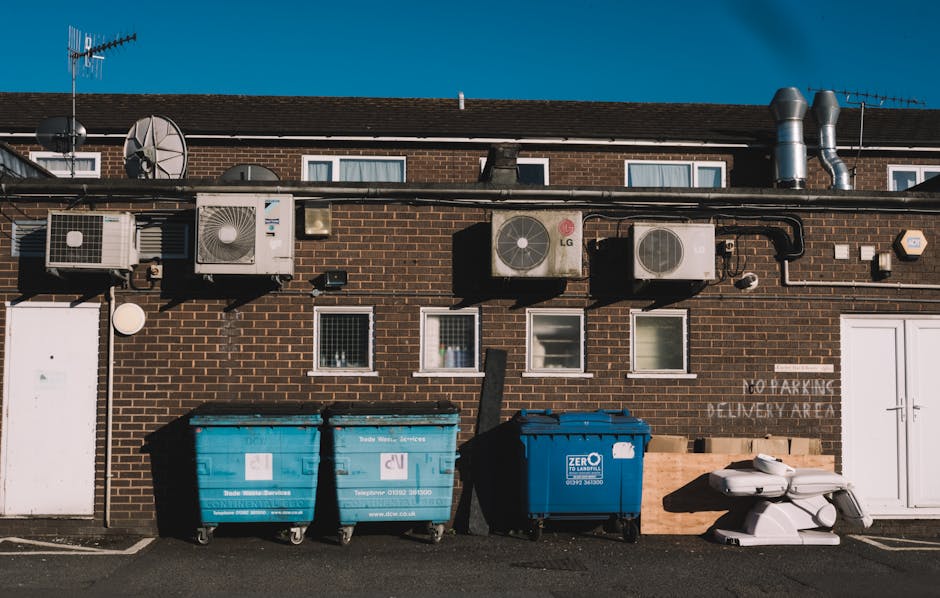
 Tipper Van - Rubbish Removal and Waste Collection Prices in Pimlico, SW1
 Luton Van - Rubbish Removal and Waste Collection Prices in Pimlico, SW1


