Trade waste vs household bin rules in Pimlico
Posted on 02/06/2026
If you live, work, rent, manage a property, or run a business in Pimlico, the line between trade waste and household bin rules can get blurry very quickly. One day you are clearing packaging from a flat move; the next you are dealing with office paper, old chairs, or builder's rubble, and suddenly the "just put it in the bin" approach stops being safe or sensible.
That is where this guide helps. In plain English, we will break down Trade waste vs household bin rules in Pimlico, explain why the distinction matters, and show you how to choose the right disposal route without causing unnecessary headaches. It is not glamorous, no. But it is one of those local practical topics that saves time, money, and awkward conversations later on.
Whether you are a landlord, tenant, homeowner, shop owner, office manager, or contractor, you will find the rules easier to navigate once you know what counts as domestic waste, what counts as commercial or trade waste, and what Pimlico residents should do when the ordinary household bin is simply not the right answer.
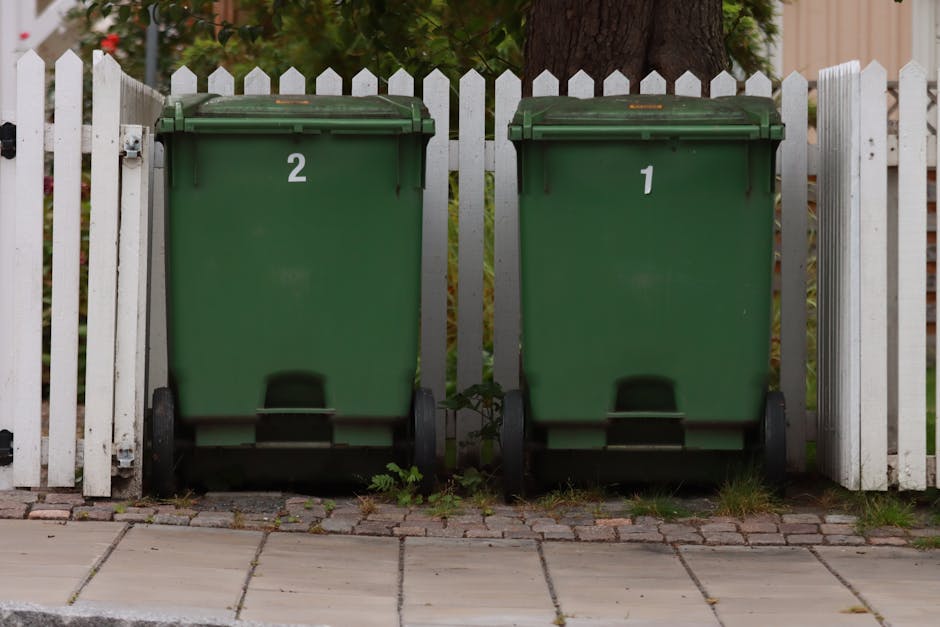
Why Trade waste vs household bin rules in Pimlico Matters
On the surface, a bin is a bin. That is the trap. In practice, waste is judged by who produced it, what it is, and where it came from. In a place like Pimlico, where many homes are flats, managed buildings, basement conversions, and mixed-use properties, the wrong waste in the wrong bin can cause a chain reaction: overflowing communal bins, contamination, extra charges, missed collections, complaints from neighbours, and sometimes enforcement issues.
The distinction matters because household bin systems are designed for domestic rubbish produced in a home. Trade waste, by contrast, comes from a business, workplace, trade activity, or commercial operation. If waste is generated by a business, even if the amount is small, it usually should not be treated as ordinary household waste. That sounds obvious when you say it out loud, but in real life it is easy to muddle things.
Think about a cafe on Lupus Street. The cardboard from deliveries, food prep waste, and waste from daily trading is not the same as a resident's kitchen bin. Or think about a flat renovation in SW1V: the packaging, broken fixtures, plasterboard offcuts, and old furniture often sit in a different category from a normal weekly household bin. A little confusion there can lead to a lot of friction.
There is also a cleanliness and neighbourhood angle. Pimlico is compact, busy, and very visible. A few overloaded bins outside a terrace or mansion block can make the whole street look untidy by lunchtime. If you have ever walked past a bin store on a hot afternoon, you know the smell can turn from mild to properly unpleasant in no time.
To get a broader feel for the area and how property use shapes local waste needs, it can help to read about why Pimlico works so well as a place to live and what to know before buying property in Pimlico. Different property types create very different waste patterns. That is just the truth of it.
How Trade waste vs household bin rules in Pimlico Works
The simplest way to understand the rules is this: household bins are for domestic waste, while trade waste is for waste produced through business activity. In practice, that affects collection frequency, storage, container type, and who is responsible for arranging removal.
Household waste usually includes everyday rubbish from kitchens, bathrooms, home offices, and general domestic living. Think food scraps, packaging, some plastics, paper, and non-hazardous items from day-to-day home life. If you are a resident putting out your own rubbish in the way your building or local collection system expects, you are usually dealing with household waste.
Trade waste usually covers waste from shops, offices, restaurants, salons, landlords managing commercial premises, tradespeople, builders, and any other business activity. That may include cardboard, office paper, packaging, display materials, food waste from a business kitchen, old furniture from an office clear-out, or builders' waste from renovation work. The source is what matters. A chair is a chair, until you ask where it came from.
One thing people often miss is that mixed-use properties can blur the line. If you run a business from home, some waste may be domestic and some may not be. For example, a home printer used for occasional admin is one thing; packaging from regular client stock deliveries is another. A self-employed person working from a Pimlico flat may need to separate everyday household waste from trading waste more carefully than they expect.
Another practical point: communal bins are not a free-for-all. If a building has shared bins, those bins are still intended for the waste category they were set up for. In busy blocks, residents sometimes assume there is room to slip in a few extra bags from a shop or office. That usually causes problems quickly, especially where bin stores are already tight.
If you need a broader overview of disposal options beyond ordinary bins, it helps to look at waste collection in Pimlico and the wider services overview. Those pages give a clearer sense of how different waste streams are handled in practice.
Key Benefits and Practical Advantages
Getting the distinction right is not just about avoiding trouble. It makes daily life simpler. Here are the main benefits.
- Fewer collection problems: Correct waste is more likely to be collected without delay, rejection, or complaints.
- Cleaner bin areas: Proper sorting reduces spillages, odours, pests, and unsightly overflow.
- Lower risk of enforcement issues: Misusing household bins for business waste can attract attention from landlords, managing agents, or local enforcement teams.
- Better budgeting: Knowing when you need a trade waste solution helps you avoid ad hoc costly fixes.
- Less stress for residents and staff: People know what goes where, which is surprisingly valuable in a shared building.
There is also a subtle operational benefit. When waste is separated properly, it is easier to plan removals and avoid the "we'll just leave it there for now" problem. Let's face it, temporary piles have a habit of becoming permanent decor.
For landlords and property managers, the advantages are even clearer. Clean bin stores help with tenant satisfaction, building presentation, and routine maintenance. If your building sees regular turnover, a decent waste setup can save a lot of irritation at changeover time. That is especially true in flats, where bulky waste and mixed rubbish can appear out of nowhere after a weekend move.
Who This Is For and When It Makes Sense
This topic is relevant to a wider group than many people realise. If you are in Pimlico and any of the following sound familiar, you should pay attention:
- Homeowners dealing with a clear-out, renovation, or large household disposal
- Tenants wanting to avoid fines, complaints, or deposit issues
- Landlords managing rubbish from move-outs, refurbishments, or furnished lets
- Office managers handling old desks, chairs, archive shredding, and packaging
- Retail and hospitality businesses producing regular trade waste
- Builders and decorators with rubble, timber, packaging, and site debris
- Managing agents trying to keep communal bin stores workable
It makes sense to think about trade waste separately whenever the waste is generated by an activity that is not ordinary domestic living. A few examples help here. A family clearing out old clothes and broken toys is household waste territory. A salon disposing of product boxes, towels, and routine trading waste is not. An office replacing chairs and monitors is not the same as a resident chucking out a single broken dining chair.
If you manage space in the area, local property context also matters. Pimlico has plenty of mansion blocks, mews properties, basement flats, and mixed-use buildings. That means waste often has to be moved through narrow entrances, shared corridors, or timed collection windows. A bit of planning goes a long way. You will notice that straight away if you have ever tried carrying a bulky item down a tight staircase at 8am.
Related local reading can also help if your situation overlaps with property ownership or investment. See practical property investment tips for Pimlico and a local guide to Pimlico for more background on the kinds of buildings and occupiers that shape waste demands here.
Step-by-Step Guidance
If you are trying to work out what to do with a load of rubbish in Pimlico, this simple process will usually keep you on the right track.
- Identify the source of the waste. Ask who produced it. A home, office, shop, or building project all point in different directions.
- Separate household items from business items. Keep domestic waste, trade packaging, office items, and construction debris apart where possible.
- Check the waste type. Food waste, cardboard, garden cuttings, furniture, rubble, and electrical items may all need different handling.
- Look at the storage and access situation. In a Pimlico flat, you may need a smaller staged approach rather than one massive pile by the front door.
- Decide whether bins are enough. If the waste is ordinary household rubbish and fits the local setup, bins may be fine. If not, you likely need another route.
- Arrange the right collection method. This may mean a specialist collection for trade waste, bulky items, office items, furniture, or builder's waste.
- Keep records if it is business waste. For commercial waste, keep basic details of what was removed and when. That habit saves awkwardness later.
A useful mental shortcut is this: if the waste would look odd in a domestic kitchen bin, pause and re-check it. Not always, but often that little pause stops a mistake.
For bigger jobs, many people find it easier to bundle the waste into categories first. Cardboard together, old furniture together, and building debris together. That is much easier than dealing with one mixed mountain. To be fair, mixed piles always look smaller until you start sorting them. Then they suddenly breed.
Expert Tips for Better Results
Here are the practical points that tend to make the biggest difference in real life.
- Use the source rule, not the size rule. Small amounts of trade waste are still trade waste.
- Keep clean cardboard separate. It is lighter, easier to handle, and often easier to manage when it is not mixed with food or general rubbish.
- Don't rely on communal bins for business overflow. Shared bins are not designed to absorb repeated commercial volumes.
- Plan around access. Narrow stairwells, concierge hours, loading restrictions, and front-door clutter all matter in Pimlico.
- Book sooner rather than later for bulky items. Large items have a knack for blocking hallways exactly when you need space most.
- Take photos before collection if the job is complex. It helps with quoting, planning, and avoiding disputes.
One more thing: if your waste includes furniture, renovation materials, or office clear-out items, it is worth choosing a provider that understands mixed loads and building access. That is why pages like furniture disposal in Pimlico, office clearance support, and builders' waste disposal in Pimlico are useful reference points when you are deciding the right route.
If the job is time-sensitive, you may also want to read what to expect from same-day rubbish clearance. Speed is handy, but only if the waste is handled properly. No one wants a fast mistake.
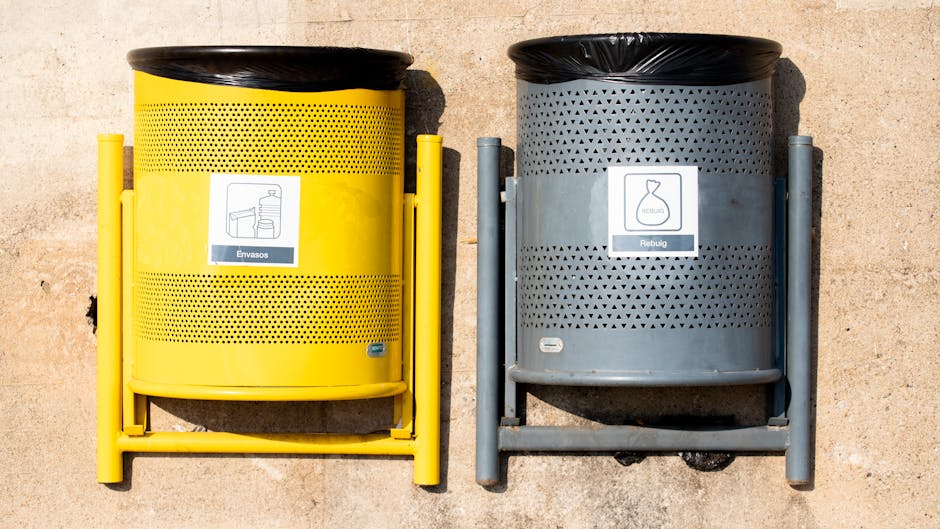
Common Mistakes to Avoid
Most waste problems in Pimlico are not caused by bad intentions. They are caused by assumptions. That is the annoying bit.
- Mixing trade waste with household waste: If a bin load contains business waste, the whole thing can become a problem.
- Overfilling shared bins: It may seem harmless once or twice, but it usually creates complaints quickly.
- Leaving bulky items in communal areas: Hallways, stairwells, and bin stores are not storage rooms.
- Ignoring special waste types: Some items need separate handling, especially electricals, bulky furniture, or construction material.
- Assuming all "small" waste is domestic: A few bags from a business are still business waste.
- Waiting until the last minute: That is when people start improvising, and improvising is where mistakes live.
Another mistake is forgetting that a building's own rules can be stricter than the general principle. A managing agent may limit bin use, collection times, or access arrangements. So even when the waste type is correct, the building process still matters.
And yes, people do sometimes try to sneak old office items into household bins after dark. It rarely ends well. The bin store remembers, even if nobody else does.
Tools, Resources and Recommendations
You do not need fancy software to manage waste well. A few simple tools and habits go a long way.
- Basic waste sorting labels: Cardboard, general rubbish, furniture, food waste, and renovation debris should be easy to identify.
- Photo records: A quick picture of what needs removing can help when arranging a collection.
- Building access notes: Keep lift dimensions, entrance restrictions, and collection window times handy.
- A simple waste log: Especially useful for businesses and landlords who need to keep track of what leaves the premises.
- Service pages for specific disposal types: If your job is more than standard bagged rubbish, use focused support such as house clearance in Pimlico or garden waste removal in Pimlico when relevant.
If you want to understand how the business handles safety, service standards, and customer reassurance, take a look at insurance and safety information and about the company. Those pages are helpful if you are comparing providers or simply want more confidence before booking.
For practical admin, you may also find pricing and quotes guidance and payment and security details useful when planning a larger clearance. A transparent process is always easier to live with.
Law, Compliance, Standards, or Best Practice
Waste disposal in the UK is regulated, and while this article is not a legal opinion, the general principle is straightforward: waste should be stored, separated, and removed responsibly, and business waste should not be casually passed off as domestic rubbish. That is the core idea.
For Pimlico residents and businesses, the safest approach is to treat the source of the waste as the first question. If it comes from a trade, business, or commercial activity, handle it as trade waste unless you have clear reason to treat it differently. If it comes from ordinary home living, household rules usually apply. Where a building has its own rules, those should also be followed.
Best practice usually means the following:
- Do not contaminate household bins with commercial waste.
- Keep waste streams separated where possible.
- Store waste safely and neatly before collection.
- Use the appropriate collection route for bulky, mixed, or specialist items.
- Keep a record of business waste movements where needed.
There is also a trust angle here. Good waste handling reflects well on a business, landlord, or managing agent. It tells people that the property is run properly. In a dense area like Pimlico, that matters more than most people think.
If you want to stay aligned with broader responsible waste handling principles, the site's recycling and sustainability guidance is a sensible place to review. It is not about being perfect. It is about being consistent and sensible.
Options, Methods, or Comparison Table
Sometimes the easiest way to decide is to compare the most common disposal routes side by side. The right answer depends on the waste type, volume, and source.
| Option | Best for | Typical strengths | Common limitations |
|---|---|---|---|
| Household bins | Everyday domestic rubbish | Simple, familiar, usually built into residential routines | Not suitable for trade waste, bulky items, or large volumes |
| Trade waste collection | Business, commercial, and mixed trading waste | More suitable for regular commercial output and organised removals | Needs correct classification and usually more planning |
| Bulky waste removal | Furniture, appliances, large household items | Good for items that cannot go in bins | May need access planning and item-by-item handling |
| Builders' waste disposal | Rubble, timber, plasterboard, renovation debris | Designed for heavy, awkward, and messy material | Not appropriate for mixed household bin use |
| Office clearance | Desks, chairs, files, IT equipment, office clear-outs | Useful for workplace moves and refreshes | Needs careful separation of furniture and sensitive materials |
In real-world Pimlico use, the decision usually turns on one question: is this ordinary domestic rubbish, or is it waste created by a business or project? Once you answer that honestly, the rest gets easier.
Case Study or Real-World Example
Picture a mixed-use building near a busy Pimlico street. A small design studio works from the ground floor, while flats sit above. The studio has a modest amount of cardboard, packaging, paper, and old office chairs after a refresh. Meanwhile, upstairs residents are clearing out a wardrobe, a broken bedside cabinet, and some general household rubbish after a tenancy change.
If everything goes into the same bin store without sorting, trouble starts almost immediately. The communal bins fill too quickly. Cardboard gets flattened into the wrong container. An old chair ends up leaning against the bin store wall. Residents complain, the cleaner has extra work, and the managing agent gets pulled in. Not dramatic, but messy. Very London, in a way.
The better approach is simple. The studio keeps its business waste separate and arranges the proper commercial removal route. The residents use household disposal methods for domestic rubbish and book help for the larger furniture item. The bin store stays usable, neighbours stay happier, and no one is left guessing what went where.
That sort of example is common in Pimlico because buildings are often close together and shared spaces are limited. One badly handled waste load can affect a whole entrance. One well-planned collection, by contrast, can make the week feel oddly smooth.
If the building is especially busy, local-area guidance can help set expectations. The pages on rubbish collection in SW1V and quick rubbish pickups in Pimlico reflect the practical reality that timing and access can matter just as much as the waste itself.
Practical Checklist
Use this quick checklist before you put anything into a household bin or book a collection.
- Have I identified whether the waste is domestic or trade-generated?
- Am I dealing with ordinary rubbish, bulky items, or construction debris?
- Does my building have bin rules, access restrictions, or collection times I need to respect?
- Can the waste safely fit the normal residential system without contamination or overflow?
- Do I need to keep any records because the waste came from business activity?
- Would a specialist collection be simpler than trying to force it into a household routine?
- Have I separated recyclable items where practical?
- Is there anything sharp, heavy, or awkward that needs special care?
Quick rule of thumb: if you are hesitating, that is usually a sign to stop and sort it properly. Half a minute now can save a whole afternoon later.
Conclusion
Trade waste and household bin rules in Pimlico are not complicated once you focus on the source of the waste and the reality of the building you are working with. Domestic rubbish belongs in domestic systems. Trade waste needs a commercial-minded approach. Bulky items, office clear-outs, and building debris need their own route altogether.
The big win is not just compliance. It is smoothness. Fewer arguments over bins, fewer overflowing stores, fewer last-minute scrambles, and a cleaner, calmer property environment. In a place like Pimlico, where space is valuable and neighbours are close, that calm is worth a lot.
If you are facing a mixed load, a flat clearance, an office refresh, or a builders' tidy-up, the smartest next step is usually to separate the waste first and then decide on the right collection method. Simple, yes. But simple is often what works best.
Get a free quote today and see how much you can save.
And if you are still weighing up the right disposal route, take your time, keep it practical, and go with the option that makes life easier for everyone in the building.
 Tipper Van - Rubbish Removal and Waste Collection Prices in Pimlico, SW1
 Luton Van - Rubbish Removal and Waste Collection Prices in Pimlico, SW1


